
Meet the West Health Accelerator Team: Jan Lamey, MS
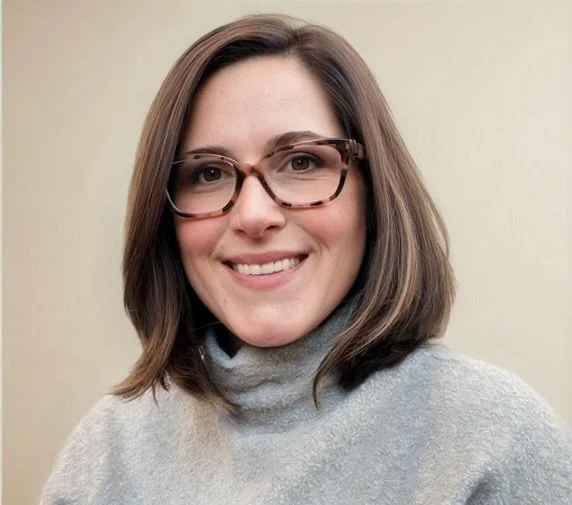
In her role as program director for the West Health Accelerator at Mass General Brigham, Jan Lamey describes herself as the quarterback for the team.
Jan’s role is a mix of supporting operations, building relationships, and ensuring the many moving parts of the Accelerator are running on schedule in a coordinated way. She also stays in close contact with Mass General Brigham’s partners at West Health and Huron Consulting, serving as a bridge between the three organizations.
Q&A
How does your past work experience inform your work on the Accelerator?
JL: I think my background in population health keeps me grounded in the “why” behind this work. It's about identifying and implementing large-scale solutions to provide evidence-based quality care for our hospitalized, older adult patients. Taking this approach makes it easier for our care teams to deliver high-quality care and reduce administrative burden while customizing and tailoring care to their patients’ needs. This approach is at the heart of the West Health Accelerator.
Is there a personal story that connects you to this work?
JL: I think there's a tremendous opportunity to do better for our aging parents, grandparents, family, and friends. I've helped many family members navigate complex hospitalizations. Though I’ve seen many instances of wonderful care, there's still so much potential to do better by our patients and to empower our care teams.
What has impressed you most about the work of the Accelerator?
JL: I have been on the Accelerator team since January 2025, and I’m really impressed with how quickly this team has come together and the ease with which the work has moved forward. It’s called an accelerator for a reason, but everyone on the team has been so committed and tenacious about getting the work done to make it all happen, especially during the recent Epic rollout in November 2025. It’s not easy to institute change so quickly in a complex health system, so I applaud everyone involved for making it happen. I am super proud to be part of this team and be working with so many talented individuals with such extensive subject matter expertise and passion.
What do you think has fueled the success of the Accelerator so far?
JL: I think there are a few things that have fueled its success. One is the vision and commitment of the Accelerator Co-Directors, Dr. Zara Cooper and Dr. Rachelle Bernacki. They've laid the groundwork and have given us all a great platform to start with, which has been amazing. It continues to be fueled by the enthusiasm that everyone has had for the Accelerator as we have rolled it out, which has been really encouraging. I think the other piece that sets us up for success is just the alignment with other system priorities, including our “For Every Patient” strategy. It's been exciting to find those opportunities where we can amplify and complement initiatives that are happening around the organization.
And, of course, the generous support of West Health has enabled us to add critical resources to strengthen these efforts and accelerate our ability to get this work done.
What has it been like partnering with the team at West Health?
JL: One of the things that drew me to this position was the opportunity to partner with a philanthropic foundation like West Health. What's different and unique about them is they are true partners — they bring such a level of commitment, expertise and resources. I work very closely with West Health’s Senior Change Implementation Manager, Stacy Pevney. She is so engaged and knowledgeable, and she's been a wonderful thought partner and colleague. Stacey is genuinely so enthusiastic and committed and engaged with us — it’s been a great experience. We have a lot of conversations about West Health’s mission to raise the standard of older adult care, and what they can learn from Mass General Brigham to help support their mission. Their commitment to this mission comes through in every single meeting we have with them.
What excites you most about the West Health Accelerator?
JL: Every older adult that's admitted to our system has the potential to be positively impacted by this work. It's so exciting, especially as we approach 2030, when all the baby boomers will be 65 or older. I'm also excited to see how this initiative will translate nationally, and how other systems pick up and adapt this work. I am hoping this work ignites a deeper national conversation about older adults and how we can better position our country to support them.