
Meet the West Health Accelerator Team: Joy L. Lee, PhD, MPH
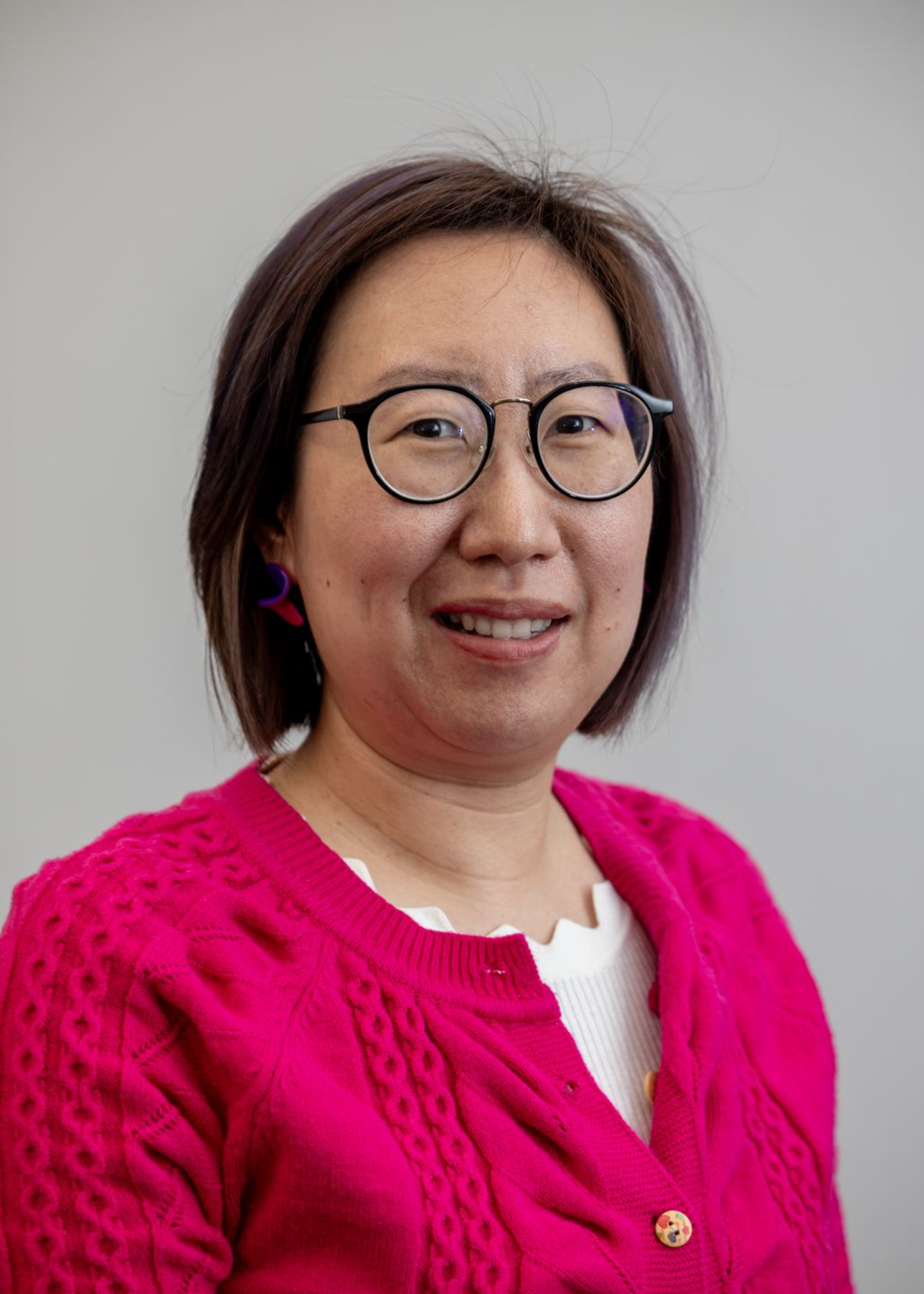
Joy Lee plays a key role on the implementation science team for the West Health Accelerator at Mass General Brigham, where she is working to ensure changes to inpatient care for older adults are effective and scalable — first across the health system and eventually to hospital systems across the country.
Joy brings implementation science expertise from her work as a senior research scientist at the Center for Optimal Aging and Serious Illness at Mass General Hospital, which specializes in improving care delivery for older adults through research.
Q&A
What drew you to this work?
Joy Lee: I've always been interested in health care, especially through the research lens, because I’m interested in people’s health. I realized early on that I didn't want to be a physician — I like looking at things from a step removed, so I can see program and policy impact on a larger system level. But I do like talking to people, which is why a lot of my work is very qualitative. That’s why I'm drawn to interviews and surveys, so I can get those nuanced individual stories but then tie them up across the board to see how we can change systems to improve care for a population. The work we do for older adults in the Accelerator will be applicable and easy to understand across the Mass General Brigham system. We want to make the hospital experience better, and I find that very rewarding.
How does your team’s work help move the Accelerator forward?
JL: Our team is evaluating how the Accelerator is running as a whole and capturing what lessons we can learn. We’re not designing the Accelerator, but it’s our job to make sure that the implementation works as intended. So, it’s important for us to be integrated with all the other teams and build relationships with those people so they can share what they are learning. We’re also evaluating the specific focus areas of the Accelerator, like the Epic and practice changes for older adults, and trying to understand the impact they will have on frontline staff, such as nurses. I’m currently working with Lisa Herlihy, who's part of the nursing strategy team, to begin gathering early feedback from the nurses about the Epic changes.
I meet regularly with the West Health project managers and other program leaders to learn how the changes are affecting employees and patients in real time. We have what we call “periodic reflections,” where I conduct interviews with the staff, to make sure we are capturing any nuggets of wisdom they pick up along the way. For example, we’re not only capturing that the Epic medication updates were made, but we’re also making sure the updates are doing what is intended, so we know which elements we can replicate across Mass General Brigham and then to a wider audience. It’s my job to document any changes they are making so we can share them with others. I don’t want any nugget of information to go to waste. This involves a lot of conversations, both formal and informal, to make sure that we catch these “aha” moments.
In the spring, we are planning to do deeper, longer interviews with frontline staff, once they’ve had time to adjust to changes. We want to make sure that they understand the impact of these changes and updates on their workflow.
What excites you most about the work of the Accelerator?
JL: I think the impact is the exciting part. Mass General Brigham sees such a large volume of patients each year that we can very tangibly change how people are treated. And it’s not just that we are making changes, but they are the right changes. That's why we're doing the implementation science work — to make sure that it's done correctly and that we can take the Accelerator beyond Mass General Brigham. I've done a lot of research over the years, but I haven't done anything at this scale. I’m very comfortable with the approach and the methods, but seeing things at this scale has been a big learning experience, and it's exciting.
What’s your hope for the future of the Accelerator?
JL: I think the goal of the Accelerator is to set a new standard of care for older adults, and that it won’t stop at Mass General Brigham. That for the next couple of years, we're going to keep refining and expanding the work here, so we can figure out how to replicate it at other hospitals across the country.