
Meet the West Health Accelerator Team: Lynne O’Mara, MBA, MPAS
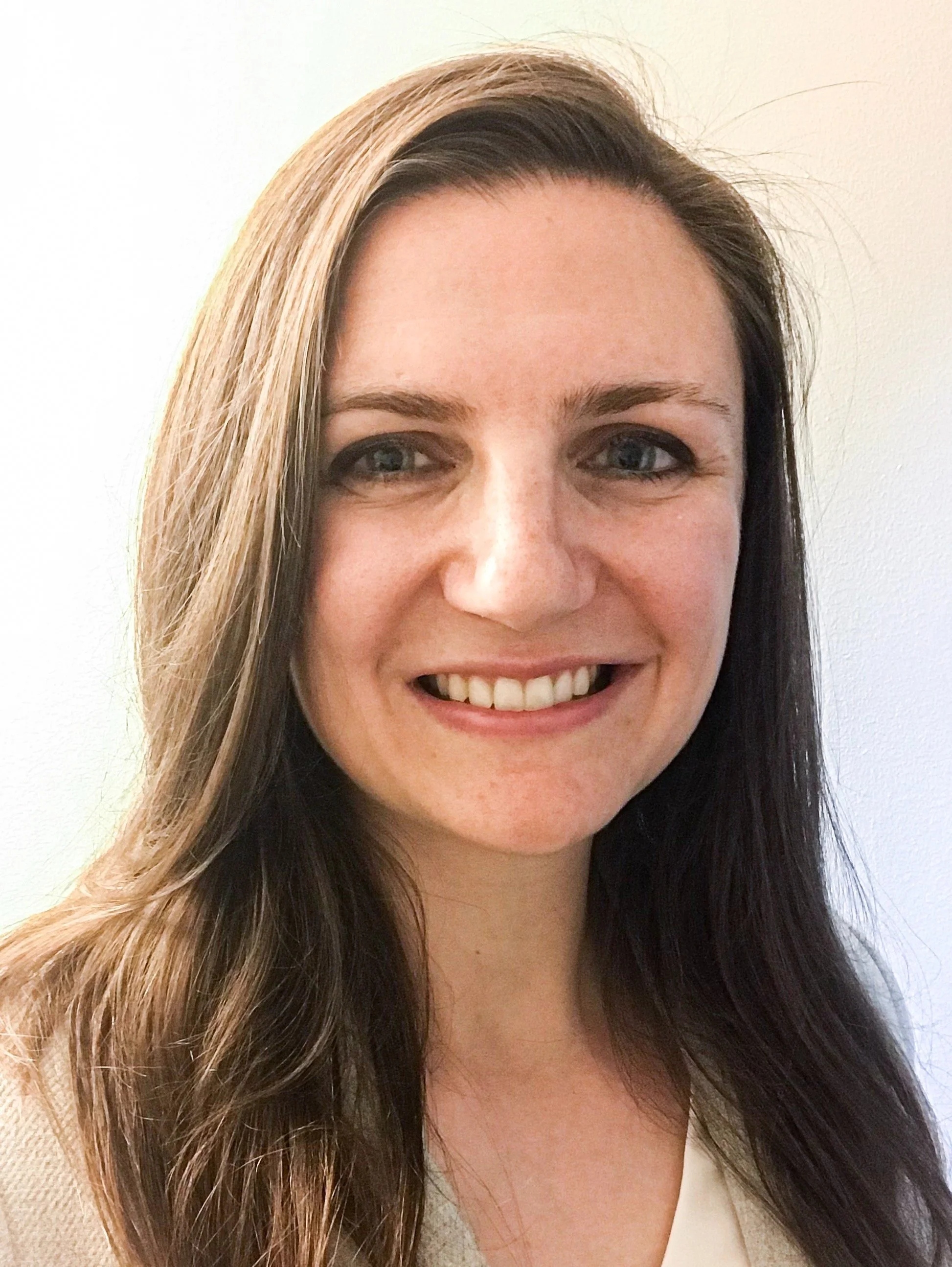
For more than a decade, Lynne O’Mara has been working to strengthen the safety and quality of hospital care for older adults.
In her role as E-care clinical director of the West Health Accelerator at Mass General Brigham, Lynne is designing and implementing age-specific updates into the electronic medical record, Epic. These changes include filtering out potentially inappropriate medications, automating discharge summaries tailored to older adults, and integrating age-appropriate order sets and care plans — all of which help clinicians provide safer, more consistent care to hospitalized older adults.
Q&A
What drew you to this work?
Lynne O’Mara: I was a junior surgery and trauma physician assistant in 2014 when I started working with Dr. Zara Cooper, who was a trauma attending at the time. One of my tasks was implementing the Superior Treatment of Elders Pathway (STEP) pathway into operations in surgery and trauma. The project was so incredibly meaningful and valuable to older patients that I wanted to create that impact on a broader scale. I realized I needed to take that on as a leadership path rather than stay 100% clinical. Over the next 10 years, I jumped on every opportunity to move into clinical operations and quality improvement — a space that I really enjoy and hope to stay in, because I love taking high-yield quality initiatives and putting them into practice.
How does it feel to be involved in the West Health Accelerator?
LO: It’s hard to describe, but professionally fulfilling is probably the closest. We’ve been hoping and wanting to do this work for a long time, and we were either understaffed or under-resourced to do it at this scale. The scale and the scope of what we’re able to achieve now is the piece that’s been so fulfilling. A lot of this work was very grassroots — built from people wanting to make change on the ground — and it sort of grew over time. Sometimes it’s overwhelming to see that this small project we tried in trauma has now evolved into this beautiful Accelerator with all these team members and all this great work that has blossomed from those early learnings. In some ways, it feels like a dream come true.
Why was updating Epic such a critical part the Accelerator?
Epic is just not set up to safely care for older patients. That is 1,000% why I wanted to make these updates and why I am so excited about what we’re doing. As a provider myself who does the work every day, I was able to design our Epic updates just like other clinicians want them to be. Since our Epic go-live in November, we’re already seeing the impact of our work across the system, which is amazing.
Can you share how this work is rooted in a personal experience from your childhood?
LO: When I was 12, my grandfather, who was a World War II veteran, a gardener, and very functional, fell and broke his hip. He was taken to the hospital, where he had a bad heart attack on the table. He had undiagnosed heart failure and high cholesterol and no one in my family knew what his goals and wishes were. He had cardiac surgery and survived — which was great — but he became delirious in the hospital and continued to decline after the event. He lived the last year of his life in a nursing home, unable to function independently anymore, which was really the joy that he had. Seeing someone so strong and independent slowly wasting away and dying within a year was tough. When I started practicing clinically, I saw that same case every day and I just felt so strongly that we could do better for these patients.
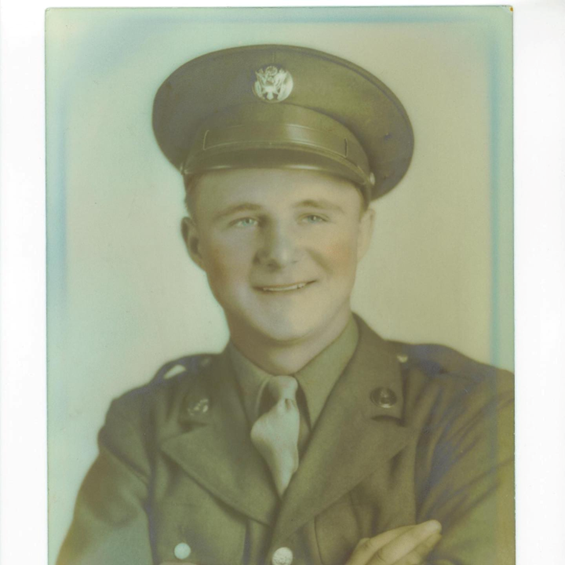
I include a photo of my grandfather on almost every presentation I give on frailty. I use his story to explain that frailty is a moment and it's a continuum. And that what we do in inpatient care matters. We can make someone frail by the decisions we make. Keeping a patient delirium-free, on the right doses of medications, and properly educated, can change the trajectory of their life.
What has contributed to the Accelerator’s success?
LO:The amount of collaboration, buy-in, expertise, and dedication from such a huge group of people is so staggering it’s hard to capture. So many people informed this work, shared it, supported it. You can’t scale that; you have to cultivate it. And that takes really strong supporters and leaders on the ground. It’s been refreshing to have West Health as a partner, because they have aligned goals and vision for older adult outcomes and the future of our healthcare system. Their passion infuses our team and makes it such an enjoyable experience to work together. Every day, they remind us that this work is meaningful.